


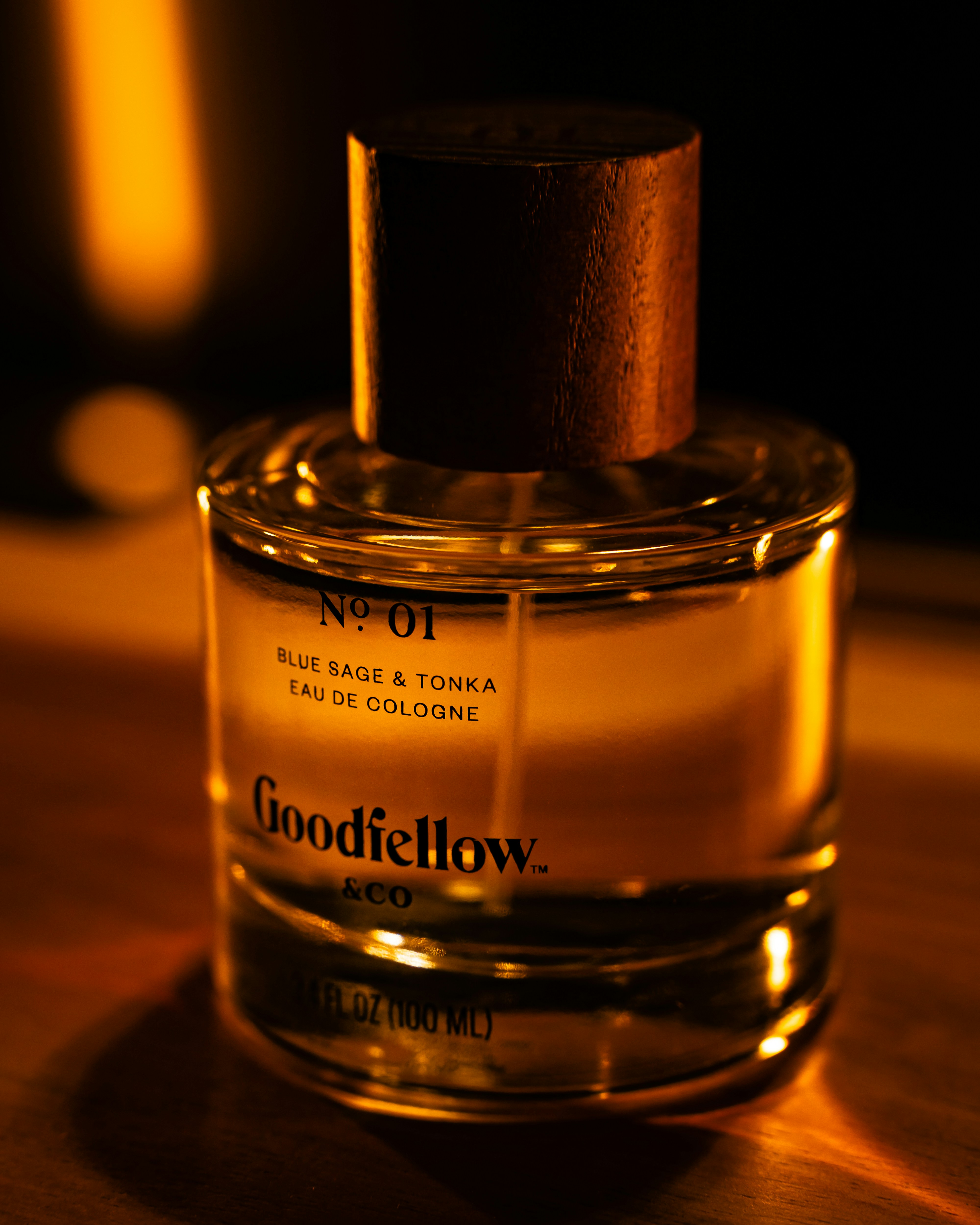
Introduction to Cologne Making
Cologne making is an art form that dates back centuries, originating from the early 18th century in Cologne, Germany. Originally, cologne was created as a light perfume that offered a refreshing scent, primarily used by men. Over time, it has evolved into a significant element of personal grooming for individuals of all genders, transcending cultural and geographical boundaries. The crafting of cologne allows for the personal expression of identity, as each blend can be unique to the maker.
The significance of fragrances reaches beyond mere aesthetics; they have profound sensory and psychological impacts. The sense of smell is closely linked to memory and emotion, and specific scents can elicit strong feelings or invoke memories, thereby affecting our moods and behaviors. A well-crafted cologne can enhance personal charisma, increase confidence, or create a lasting impression during social interactions.
In recent years, there has been a notable resurgence in the trend of homemade scents. As individuals seek to express their uniqueness and move away from mass-produced options, crafting one’s own cologne has become an appealing endeavor. Homemade cologne allows individuals to select ingredients that resonate with their personal preferences and values, often encompassing natural and organic materials. This hands-on approach also instills a sense of satisfaction and pride in the creator, as they develop a product that is truly representative of themselves.
As we delve into the process of cologne-making, it is essential to understand not only the historical context and sensory implications but also the current trend that emphasizes personal craftsmanship. This guide aims to provide a comprehensive overview of the steps involved in creating your signature scent, empowering you to explore this evocative and rewarding craft.
Understanding Fragrance Notes
When creating a cologne, it is essential to understand the concept of fragrance notes. These notes are categorized into three main types: top, middle, and base notes. Each plays a crucial role in the overall scent profile of the perfume, contributing to its complexity and longevity.
Top notes, also known as head notes, are the scents that are first perceived upon application of the cologne. They typically consist of lighter, volatile compounds that evaporate quickly. Common examples include citrus scents like lemon or bergamot, herbal notes such as mint, and fruity fragrances like apple or peach. The primary function of top notes is to create an initial impression, providing a refreshing opening that captivates the user.
Following the top notes, we have the middle notes, sometimes referred to as heart notes. These emerge after the top notes dissipate and represent the core of the fragrance. Middle notes are often characterized by floral scents like jasmine or rose, spices such as cinnamon, or other warm aromas like lavender. The middle notes develop a balance, rounding out the scent and adding depth and complexity to the cologne. They typically last longer than the top notes and help in seamlessly transitioning to the base notes.
Finally, we encounter the base notes, which provide the lasting impression of the cologne. These are rich, heavier scents that often stabilize the fragrance and enhance its longevity. Common base notes include woody elements like sandalwood and cedar, deep notes such as vanilla, and musky aromas. Base notes linger on the skin for hours and contribute to the overall experience of the cologne, making them essential for crafting a well-rounded and enduring scent.
Materials and Tools Needed
Creating your own cologne at home can be an exciting and creative endeavor that allows you to craft a personalized fragrance. To get started, you will need a variety of materials and tools to ensure the process runs smoothly and successfully.
First and foremost, you will need essential oils, which are the core of your cologne. Essential oils serve as the primary source of fragrance and can range from floral, woody, and citrus scents to more complex combinations. Some popular options include lavender, bergamot, sandalwood, and jasmine. The choice of oils will determine your cologne’s unique aroma.
Next, select a carrier oil or base for your cologne. Common carrier options include jojoba oil, fractionated coconut oil, or grape seed oil. Each of these oils has its properties and provides different benefits to the skin. Alternatively, you may opt for an alcohol base, such as vodka or perfumer’s alcohol, if you’re looking to create a spray-style cologne that dries quickly.
In addition to these core components, you will require equipment for precise formulation. A set of measuring tools, such as pipettes or droppers, will help you control the proportions of the oils and essence effectively. It is also beneficial to have small glass bottles to store your cologne once mixed; these can range from rollerball bottles for easy application to spray bottles for a misting effect.
Labeling materials such as stickers or tags will also come in handy to document your creations. This way, you can experiment with various scents and keep track of your formulations. With these materials and tools ready, you can embark on the journey of crafting your signature scent.
Choosing the Right Ingredients
When crafting your own cologne, the selection of ingredients plays a pivotal role in the development of a signature scent that aligns with personal preferences. Essential oils and fragrance components can be categorized into primary scent families, including floral, citrus, woody, and spicy. Understanding these categories will aid you in identifying which ingredients resonate with your individual taste.
First, consider your skin type, as this can significantly influence how fragrances develop. Oily skin often holds scents longer, while dry skin may require fragrances with heavier bases to ensure longevity. Additionally, the climate plays a vital role; in warmer areas, light, refreshing notes such as citrus or aquatic scents are advisable, whereas, in cooler climates, richer and deeper fragrances, such as amber or sandalwood, can provide a comforting aura.
Furthermore, it’s essential to think about how these scents interact with one another. When choosing essential oils, aim for a balanced blend that captures the essence you want to project. A typical cologne is composed of top, middle, and base notes, which together create a harmonious smell. For example, combining a citrus top note with a floral middle note and a woody base can create a well-rounded and inviting fragrance.
Lastly, do not hesitate to experiment with various combinations of ingredients until you find a balance that feels right. Testing different proportions and scents on your skin will allow you to observe the evolving aroma throughout the day. As you refine your selections, take notes on what works well for you, which will ultimately guide you in perfecting your personalized cologne formula.
The Cologne Making Process
Creating your own cologne can be a rewarding and creative endeavor. This process involves several steps, each critical to achieving the perfect scent that suits your style and preference. Begin by gathering your materials. You will need essential oils, a carrier alcohol, a measuring scale or spoon, and a dark glass bottle for storage. Choose a base note, middle note, and top note essential oil to structure your fragrance. Common base oils include sandalwood or vanilla, middle notes might be lavender or rosemary, and top notes can be citrus oils like lemon or bergamot.
Next, measure your ingredients accurately. A typical ratio is 20% essential oils, 80% carrier alcohol, but this can be adjusted based on your desired potency. Using a dropper, carefully add the essential oils to your mixing container. Start with the base note, followed by the middle and then the top note, ensuring a balanced blend. This layering approach will help develop the complexity of the fragrance.
After measuring and mixing the oils, combine them with the alcohol in your dark glass bottle. Shake the bottle gently to mix the ingredients evenly. Let the mixture sit for at least 48 hours to a week in a cool, dark place. This resting period allows the scents to meld together and mature, resulting in a more cohesive cologne.
During the maturation process, it is advisable to periodically test the scent by applying a small amount to your skin. This will help you evaluate whether adjustments are needed. If the scent is too strong, consider diluting it with additional alcohol. Conversely, if it is too weak, add a few more drops of essential oils. Balancing the fragrance is key to creating a memorable cologne that reflects your individuality.
Tips for Customizing Your Cologne
Creating a signature scent involves more than just following a recipe; it allows for personalization and creativity. When it comes to customizing your cologne, layering fragrances is one effective strategy. Layering involves applying different scents in a specific order, allowing for a unique olfactory experience that can evolve throughout the day. To achieve this, consider the harmony between top notes, middle notes, and base notes. Top notes provide the initial impression and typically consist of lighter, more volatile ingredients such as citrus or herbal spices. Middle notes, or heart notes, form the core of the fragrance, consisting of floral, fruity, or spicy elements. Finally, base notes offer longevity, anchoring the scent with deeper notes like wood or amber.
Another essential tip for customization is to experiment with different ratios. The balance between the various components in your cologne is crucial. Try adjusting the quantities of each note to see how the fragrance evolves. A common approach is the 30:50:20 ratio; 30% top notes, 50% middle notes, and 20% base notes, but this can be modified according to your personal preference. Remember, however, that subtle alterations can lead to significantly different results, so proceed with an experimental mindset.
Furthermore, aging your cologne can markedly improve its scent profile. Once you’ve blended your ingredients, let the mixture mature for a few weeks in a cool, dark place. This aging process allows the components to meld, leading to a more harmonized and refined scent. By following these tips for customizing your cologne, you can create a fragrance that not only reflects your personality but also offers a unique sensory experience.
Storing and Caring for Your Cologne
To ensure that your handmade cologne retains its quality and effectiveness, proper storage and care are essential. Cologne, comprising aromatic compounds, essential oils, and alcohol, can degrade if not stored correctly. Therefore, understanding the best practices for storing your cologne can significantly prolong its lifespan and maintain its fragrance profile.
One of the first considerations when storing cologne is the material of the bottle. Opt for dark glass bottles, such as amber or cobalt blue, as these materials are excellent for blocking out light, which can cause deterioration over time. Light exposure can result in chemical reactions that alter the scent of your cologne, often leading to an unappealing odor. Avoid plastic bottles, as they can affect the fragrance due to potential leaching of chemicals.
Additionally, maintaining the right storage conditions is critical. Keep your cologne in a cool, dry place away from extreme temperatures and humidity. Ideal storage conditions include a temperature range of 15 to 20 degrees Celsius (59 to 68 degrees Fahrenheit). High heat and moisture can break down essential oils, leading to a less potent or imbalanced scent. Avoid bathrooms and areas with fluctuating temperatures, as these can significantly impact your cologne’s stability.
It is also advisable to secure the lids tightly to prevent evaporation and contamination. Moreover, minimizing the frequency of opening the bottle will reduce exposure to air, which can oxidize the fragrance compounds. Always handle the bottle by the base instead of the neck or the sprayer to maintain cleanliness and avoid unnecessary oils from your skin reaching the fragrance itself.
In summary, by choosing the right bottle material and creating optimal storage conditions, you can preserve the integrity of your cologne, ensuring that it remains as captivating as when you first crafted it. Proper care strategies will help maintain the fragrance’s original aromatic qualities for your enjoyment and use.
Testing and Adjusting Your Scent
Once your cologne has been blended, the next crucial step is to test and adjust the scent according to your preferences. Begin by applying a small amount of the cologne on your skin, preferably on the wrist or inside of your elbow. This area of your body is often ideal for testing fragrances due to its natural warmth, which can help the scent develop and reveal its full character.
As you apply the cologne, observe how the initial notes emerge. The top notes will be the first to greet your senses, followed by the heart notes that will develop shortly after. It can be helpful to wait for at least 30 minutes to an hour to allow the fragrance to evolve fully. This is essential because the true essence of your cologne may only become apparent after a short period. During this time, make note of how the scent changes, including elements you find enjoyable or those that may be overpowering.
If you find that certain aspects of the fragrance are not to your liking, it is important to make adjustments to the formula. You may choose to increase or decrease the concentration of specific notes. For example, if a particular citrus accent is too dominant, consider adding more base notes to balance it out. Alternatively, if a floral note lacks vibrancy, you might increase its proportion to enhance its presence. Take meticulous notes during this testing phase so you can easily replicate the adjustments.
After revisiting the cologne at intervals throughout the day, evaluate its longevity and projection. These aspects are equally significant in the performance of your cologne and may influence further refinements. By testing and adjusting your scent thoughtfully, you can craft a unique cologne that is truly representative of your personality and style.
Conclusion and Final Thoughts
As we come to the end of this guide on how to make cologne, it is important to reflect on the journey you can embark on by crafting your own signature scent. The process of creating a personalized fragrance not only allows for creativity but also culminates in a unique representation of your personality. Unlike commercially available options, a handmade cologne can reflect your individual tastes and preferences, making it truly special.
The benefits of developing your own cologne extend beyond personal expression. By choosing your own blend of essential oils and fragrance notes, you can create a scent that resonates with your mood or the occasions you attend. This personal connection to your creation enhances the overall experience of using your cologne, often leading to a feeling of pride and satisfaction. Furthermore, with an understanding of the fragrance-making process, you can continuously experiment and refine your formulations, ensuring that your scent evolves alongside your personal style.
More than just an olfactory accessory, crafting your own cologne can serve as a therapeutic outlet. The act of mixing scents, whether it’s during quiet moments of reflection or as a social activity with friends, can be immensely rewarding. As you master the craft of cologne-making, you will likely discover a new hobby that not only engages your senses but also enriches your life.
Ultimately, we encourage you to take the plunge and begin your cologne-making journey. From understanding the importance of fragrance notes to exploring the right blending techniques, every step in the process can be both educational and fulfilling. Embrace the joy of creation and find pleasure in wearing a captivating scent that bears your unique signature.