


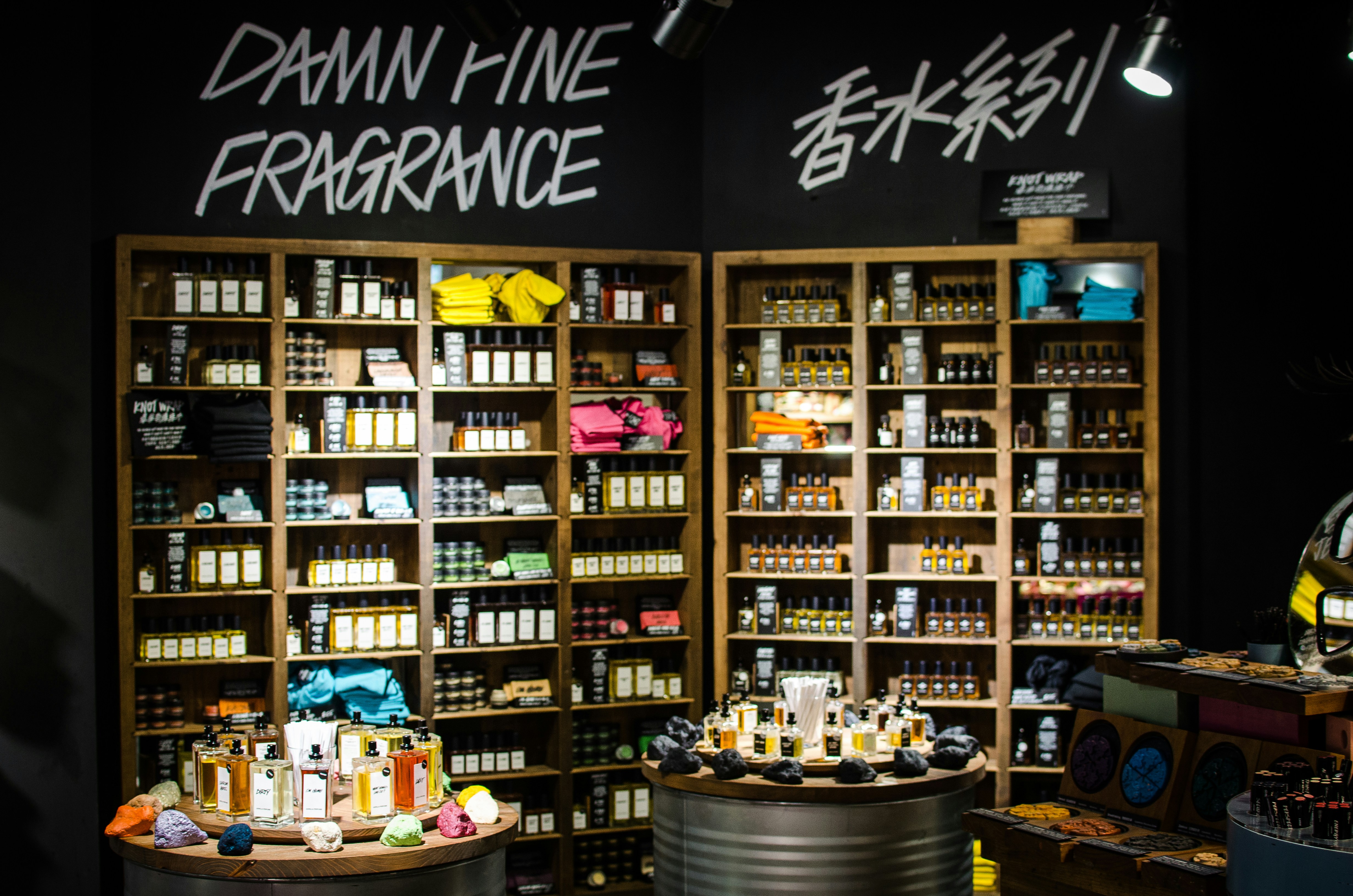
Introduction to Perfume Making
Perfume has long captivated humanity, intertwining with our cultures and histories in profound ways. Essentially, perfume is a mixture of aromatic compounds, which may include essential oils, aroma compounds, and solvents designed to deliver a pleasant scent. The creation of perfumes dates back thousands of years, with evidence of fragrant substances used in ancient Egypt, Greece, and Persia. These early artisans understood the impact that scent could have on human experience, using it in religious rites, personal adornment, and therapeutic practices.
The significance of scent in human culture is not merely historical; it plays a vital role in contemporary life as well. Fragrance is intimately tied to memory and emotional responses. For instance, a familiar scent can evoke vivid memories, eliciting feelings of nostalgia or comfort. Perfume can serve as a means of personal expression, allowing individuals to convey their identity and mood. This sensory aspect of fragrance offers a unique avenue for creativity, leading many to explore how to make their own signature scents.
Understanding the art of perfume making involves delving into the nuances of fragrance notes, blending techniques, and the intricacies of fragrance families. Perfume can be crafted using a variety of ingredients, from florals to spices, each offering its own character and depth. By exploring the alchemy of scent, individuals can learn how to make a perfume that resonates with their personal essence. This guide is designed to take you through the steps necessary to create a fragrance that is uniquely yours, showcasing the beauty and individuality of scent creation.
Understanding the Basics: Notes and Fragrance Families
Creating your own perfume involves understanding the essential components of fragrance, particularly the three types of notes: top, middle, and base notes. These notes interact in a harmonious manner to produce a balanced scent that evolves over time. The top notes are the first impression of a fragrance, usually light and volatile, and they tend to evaporate quickly. Common examples include citrus or herbal scents, which provide an initial freshness. Following the top notes are the middle notes, also known as heart notes, which emerge as the top notes fade. These scents are usually more robust and last longer than the top notes, adding depth to the fragrance. Floral and fruity notes often define this category, playing a critical role in the overall character of the perfume.
The final layer consists of base notes, which develop after the middle notes. These scents are typically rich and long-lasting, providing the foundation of the perfume. Common base notes include woody, amber, and musky aromas. The combination of these three types of fragrance notes is essential in how a perfume is perceived, as they work synergistically to create a well-rounded aroma.
In addition to understanding notes, it is also paramount to explore fragrance families. There are several key families, including floral, fruity, woody, and oriental, each exhibiting unique characteristics. Floral fragrances are characterized by their blossoming scents and can evoke feelings of romance and elegance. Fruity notes add a playful and cheerful aspect, appealing to those who favor sweetness in their perfumes. Woody fragrances offer warmth and depth, often attracting users seeking sophistication. Orientals are complex and exotic, characterized by their richness and spice, preferred by lovers of bold scents.
By familiarizing yourself with these fragrance notes and families, you will gain valuable insights into how to make your own perfume that accurately represents your personal taste and style.
Gathering Your Ingredients and Tools
To successfully embark on the journey of how to make your own perfume, it is essential to gather the right ingredients and tools. The foundation of your fragrance lies in the selection of essential oils and fragrance oils. Essential oils serve as the concentrated essence of plants, providing unique aromatic properties and therapeutic benefits. Common essential oils used in perfume making include lavender, bergamot, sandalwood, and jasmine, each offering distinct notes that contribute to the overall character of the scent.
Fragrance oils, on the other hand, are synthetic or blended scents that can offer a wider variety of aromas. These oils provide the flexibility to replicate specific scents that may not be easily sourced from natural ingredients. When selecting fragrance oils, consider those that complement your chosen essential oils, creating a harmonious blend.
In addition to oils, the choice of carrier oil is crucial for the dilution process. Carrier oils such as jojoba oil, fractionated coconut oil, or sweet almond oil are commonly used. These oils help to safely dilute the concentrated essential and fragrance oils, making them suitable for application on the skin.
Alongside your ingredients, having the right tools is vital for an effective perfume-making process. Essential tools include glass droppers, which allow for precise measurements of oils, as well as glass bottles for storing your final product. Mixing containers are important for combining your ingredients in the correct proportions. It is also advisable to have a small scale to measure the weight of your components accurately, ensuring consistency in your formulations.
Gathering these ingredients and tools is an integral step in how to make your own perfume, setting the stage for a rewarding and enjoyable fragrance creation experience.
Choosing the Right Base: Alcohol vs. Oil
When embarking on the journey to create your own perfume, one of the pivotal decisions involves selecting the appropriate base for your unique fragrance. The two most commonly used bases are alcohol and oil, each presenting distinct advantages and disadvantages.
Alcohol-based perfumes are typically more versatile and evaporate quickly, allowing the fragrance to disperse effectively into the air. This swift evaporation can also contribute to a broader fragrance projection, making the scent more noticeable. Furthermore, alcohol bases often have a lighter finish, which can appeal to those who prefer a refreshing experience. However, using alcohol means that the perfume may require more frequent reapplication, as the scent can fade within a few hours, depending on its concentration.
On the other hand, oil-based perfumes tend to have a longer-lasting scent profile due to the slower evaporation rate of oils. They cling to the skin longer, providing a more enduring fragrance experience, which many users find appealing. Oil bases are often richer and more intense, which can create a warmer scent that lingers throughout the day. However, they might not project as widely as their alcohol counterparts, which may lead to a more intimate scent experience. It is also worth noting that oil can be perceived as heavier and may require a different application technique.
In determining how to make your own perfume, consider your personal preferences and desired scent profile. If you seek a light and airy fragrance that disperses easily, alcohol may be the ideal choice. Conversely, if your goal is to craft a deeply lingering aroma, an oil base might be the better option.
The Perfume Creation Process: Step-by-Step
Creating your own perfume is an intricate and rewarding process that involves precise measurement and meticulous mixing of various fragrance notes. To begin, you will need to gather essential materials: your chosen base notes, middle notes, and top notes, as well as alcohol and a proper mixing container. Each category of notes plays a significant role in how the final scent will develop over time.
First, decide on the blend ratio. Generally, a standard formulation is 30% top notes, 50% middle notes, and 20% base notes. Measuring these components accurately is crucial; consider using a digital scale for precision. Start by mixing the base notes in your container. Base notes linger longer on the skin and provide depth to the scent, while middle notes emerge and tend to define the perfume’s character. Finally, add your top notes, which are the first scents that will be perceived, creating an inviting introduction to your blend.
After mixing, it is important to allow the mixture to mature. This process, which can take from several days to several weeks, enables the notes to blend harmoniously, allowing the fragrance to develop and change. During this maturation period, regularly check the scent of your mixture. You may need to make adjustments, adding more of a certain note to achieve your desired effect. This trial and error is a natural part of the perfume creation process. Note your changes to ensure consistency in future batches.
Once you are satisfied with the fragrance, the final step is to dilute the mixture with alcohol. The typical ratio is 20-30% perfume oil to 70-80% alcohol, but this can vary based on personal preference and desired strength. Remember, how you make your perfume should resonate with your personal style, leading to a unique signature scent that represents you.
Testing and Refining Your Scent
Once you have created your initial perfume blend, the next pivotal phase is testing and refining your scent. This stage is crucial as it allows you to assess how your fragrance interacts with your skin and how it evolves over time. To begin testing, apply a small amount of your perfume to your wrist or forearm. This area is ideal because it tends to emit heat, helping the fragrance develop fully, similar to how it would on your body.
After applying the perfume, observe its initial notes, the heart, and the base notes as they unfold throughout the day. This transient nature is essential in evaluating the lasting power of the scent, as most perfumes will change dramatically after the first few hours. When testing your creation, it is equally important to note how the perfume reacts with your skin; this interaction can significantly sway the scent profile. Consider keeping a fragrance journal where you jot down your thoughts on both the scent’s first impression and its evolution over time.
Refining your scent may require you to make incremental adjustments based on your observations. If certain notes seem overpowering or fail to evolve as you had envisioned, consider reducing their concentration or adding complementary notes to create balance. Patience is key during this process. It may take several iterations to get everything just right. Sometimes, letting the perfume rest for a few days before re-evaluating can provide new insights into its development. The art of how to make perfume lies deeply in this meticulous refining process, blending creativity with the technical skills of perfume craftsmanship.
Bottling and Storing Your Perfume
Once you have crafted your own unique fragrance, the next essential step is to properly bottle and store your perfume to ensure that its aromatic qualities remain intact over time. There are several factors to consider during this process, starting with the type of bottle you choose. Opting for appropriately made glass bottles is advisable, as they provide an inert environment that does not chemically react with the perfume. Dark-tinted bottles, such as amber or cobalt blue, are particularly effective in protecting delicate scents from light exposure, which can cause degradation.
When it comes to bottling your creation, it is crucial to ensure that the bottle is clean and dry before transferring your perfume. Using a funnel can help minimize spillage and allow for a clean pour. Additionally, if you are creating multiple blends or variations, consider labeling each bottle with the name of the fragrance, the ingredients used, and the creation date. This practice not only assists you in keeping track of your formulations but also aids others who might experience your creations.
After bottling, proper storage is vital for maintaining the integrity and longevity of the perfume. Store your fragrances in a cool, dark place, away from heat sources and humidity, as these can hasten the evaporation of essential oils and alter the scent profile. An ideal environment might be a dedicated drawer or a cabinet where temperatures remain consistent. Avoid storing your perfume in the bathroom, as temperature fluctuations can negatively affect the formulation.
Overall, understanding how to effectively bottle and store your perfume will allow you not only to enjoy your creations for an extended period but also to showcase your artistry in the world of fragrance.
Creative Variations and Customization
Creating a bespoke perfume allows individuals to express their unique personalities and preferences. While standard fragrance notes serve as a great starting point, exploring creative variations and customization can lead to a scent that is truly personal. One effective approach is to consider incorporating unconventional ingredients that may not traditionally belong to the perfume family. For instance, adding herbal elements like basil or rosemary can impart freshness and depth, while ingredients such as cedar wood or moss can add earthy warmth.
Combining different scent families is another intriguing way to make your perfume. By blending floral and woody notes, you can achieve a harmonious balance that caters to varied preferences. Think of pairing jasmine with sandalwood or mixing citrus with vanilla. These combinations can create a captivating olfactory experience that stands out in a crowd. Additionally, layering scents from various families allows for an exponential increase in complexity, enhancing the overall fragrance profile.
Moreover, considering the season or occasion can inspire customization. For lighter summer blends, citrus or aquatic fragrances often evoke freshness, while richer spices and warmer notes might complement colder months. Experimenting with seasonal scents can offer further inspiration on how to craft your perfume uniquely. Remember that the art of perfume making is not solely about following established rules; rather, it is an opportunity to innovate and create something that resonates with you personally.
Finally, documenting each experiment through notes can be beneficial. Tracking changes allows you to reproduce successful blends and refine your approach. Over time, you can develop a signature scent that reflects your journey in fragrance creation, turning your perfume-making endeavor into an art form that is distinctly your own.
Final Thoughts and Resources
Creating your own perfume is not just a craft; it is an art that invites exploration, innovation, and personal expression. Through the journey of making your unique scent, you have the opportunity to reflect your personality and preferences in a fragrant form. The understanding gained from the process—how notes interact, how to achieve balance, and how to evoke emotions through fragrance—is invaluable. It fosters a deeper appreciation for the complexities of scent and the joy of personalized creation.
As you continue to explore the world of perfume making, consider tapping into a wealth of resources available to enhance your knowledge and skills further. Several books, such as “The Art of Perfumery” by G.W. Septimus Piesse, provide foundational knowledge on fragrance composition and historical context, enriching your understanding of how scents have evolved over time. Additionally, “Perfumes: The Guide” by Luca Turin and Tania Sanchez offers insights into existing fragrances which can inspire and inform your own creations.
Online platforms are also invaluable for fragrance enthusiasts. Websites such as Basenotes and Fragrantica can connect you with a community of like-minded individuals who share tips, reviews, and personal experiences regarding perfume crafting. Social media also hosts various forums and groups dedicated to perfume making, where members exchange ideas and advice on how to refine their techniques.
In conclusion, whether you are a novice embarking on your first fragrance creation or a seasoned perfumer looking to deepen your craft, the resources mentioned offer pathways to enhance your journey. Embrace the art of making perfume, and let your imagination guide you to create the scent that is genuinely your own.