


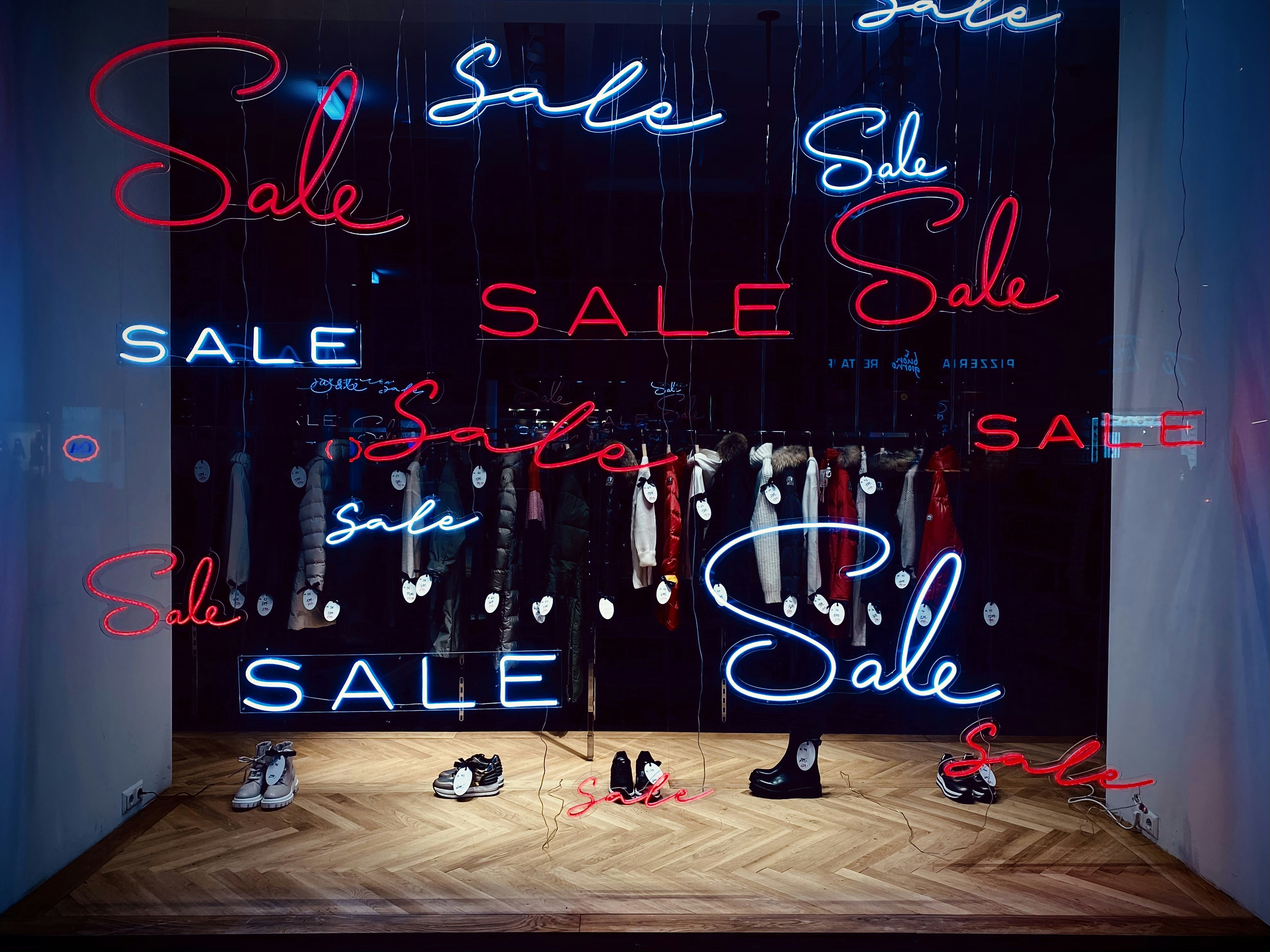
Understanding Designer Sales
Designer sales are events that offer consumers the opportunity to purchase high-end fashion items at reduced prices. These sales are particularly significant in the luxury fashion sector, where premium items often come with hefty price tags. The concept revolves around several strategies that brands employ to manage inventory while providing customers access to discounted luxury goods. Common formats for these sales include seasonal sales, clearance events, and flash sales, each catering to different market needs and consumer expectations.
Seasonal sales are typically scheduled during the transition between seasons, allowing retailers to clear out their inventory to make room for new collections. This approach not only helps brands manage stock levels but also entices customers with attractive pricing on designers’ end-of-season items. Clearance events take place when retailers need to sell off leftover inventory that may not have sold during the regular season. These events often feature substantial discounts, attracting bargain hunters who are in search of luxury fashion at accessible prices.
Flash sales, on the other hand, are time-limited events that create a sense of urgency. They often occur online and can last anywhere from a few hours to a couple of days. These sales typically feature exclusive offers on designer items, compelling consumers to act quickly to seize the opportunity. The fast-paced nature of flash sales can draw in both new and seasoned customers, highlighting the intersection of luxury and affordability.
Designer sales play an essential role in the fashion industry. For consumers, they present a chance to acquire coveted items at more reasonable prices, which can make luxury fashion more attainable. For retailers, these sales are a valuable tool for stimulating sales and maintaining brand loyalty. Overall, understanding designer sales is crucial for anyone who wishes to navigate the world of high-end fashion shopping effectively.
When Do Designer Sales Happen?
Designer sales occur at various points throughout the year, offering valuable opportunities for consumers to access high-end fashion at more affordable prices. Understanding the timing of these sales is crucial for savvy shoppers looking to secure the best deals. Primarily, end-of-season sales are significant events on the fashion retail calendar. Typically, these sales happen twice a year: at the end of summer and winter. Retailers aim to clear inventory to make way for the upcoming seasons, resulting in significant markdowns on clothing and accessories. As a result, shoppers can often find discounts ranging from 30% to 70% off during these sales.
Holiday promotions are another essential aspect of the designer sales landscape. Events such as Thanksgiving, Christmas, and New Year bring about special offers and limited-time discounts. Retailers frequently curate collections specifically for this season, which may include exclusive pieces at reduced prices. Black Friday and Cyber Monday, in particular, have transformed into major shopping events, with many luxury brands participating to attract a broader customer base. On these days, shoppers can expect deep discounts, flash sales, and strategic promotions.
Another noteworthy period for designer sales is during mid-season. These sales often occur in March and September, aligning with the fashion industry calendar. Brands take advantage of these opportunities to boost sales and maintain customer interest by offering curated selections at reduced prices. Overall, each of these sales periods uniquely influences the fashion retail landscape, allowing consumers to leverage opportunities across the year. Being aware of these key moments will enhance one’s shopping experience, enabling access to coveted designer items while minimizing expenditure.
Where to Find Designer Sales
In the current retail landscape, discovering designer sales can be both exciting and rewarding, with various platforms and venues offering great deals on high-end fashion items. Online retail sites such as Saks Fifth Avenue, Nordstrom, and Farfetch frequently have dedicated sections for sales, allowing consumers to browse through discounted designer merchandise from the comfort of their homes. Additionally, sites like Gilt and Rue La La specialize in flash sales, featuring limited-time offers on luxury brands, which can yield significant savings for savvy shoppers.
Outlet stores represent another viable option for those searching for designer items at reduced prices. Retailers like Neiman Marcus Last Call, and outlets for notable brands such as Coach and Michael Kors, often provide substantial markdowns on past season’s collections. These outlets can be an excellent opportunity to purchase items that are still in vogue but are available at a fraction of the original price. Exploring these stores during holiday sales or end-of-season clearance events can lead to even deeper discounts.
For the more adventurous shopper, exclusive in-store events can provide not only discounts but also unique fashion experiences. Designer brands occasionally host private sales or trunk shows where loyal customers receive early access to new collections at a reduced price. Joining mailing lists and subscribing to newsletters can keep you informed about such events. Furthermore, utilizing apps dedicated to fashion sales, such as ShopSavvy or Honey, can help users track price drops and special offers efficiently.
Finally, consider exploring lesser-known venues like local thrift shops or consignment boutiques, as they often carry designer pieces that can be unearthed for considerably less than retail prices. By staying informed and open-minded, you can uncover hidden gems that contribute to your designer wardrobe without breaking the bank.
How to Score the Best Deals
Shopping designer sales can be an exhilarating yet challenging experience, especially when aiming to secure the best deals on coveted items. To maximize your savings and ensure a successful shopping endeavor, one must employ a variety of effective strategies. Beginning with the basics, it is essential to set a realistic budget prior to the sale. This approach not only helps in managing your finances but also prevents impulsive purchases that may lead to buyer’s remorse.
Creating a list of desired items is another fundamental step. Prioritizing your needs and preferences enables you to stay focused during the sale, thus improving your chances of securing must-have pieces. However, beyond these basics, adopting more advanced techniques can further enhance your shopping experience. For instance, early stock checking is invaluable; many retailers offer previews of their sales inventory, allowing you to strategize your shopping plan accordingly.
Additionally, following fashion influencers and industry insiders on social media platforms can provide invaluable insights into upcoming sales and exclusive promotions. These individuals often share real-time updates, style tips, and insider information that can help you make informed purchasing decisions. Moreover, being strategic about what sizes and styles to consider can maximize your chances of finding the best deals. Remember that certain sizes may sellout faster, so being open to alternatives or different styles can enable you to seize opportunities as they arise.
In conclusion, scoring the best deals during designer sales requires a blending of basic preparation and advanced shopping tactics. With careful planning, a clear budget, and leveraging insider information, you will enhance your shopping experience and satisfaction, ensuring that you secure not only great savings but also the items that align with your personal style and needs.
What to Look for in Designer Sales
When navigating designer sales, discerning quality and value is essential. To start, consumers should pay close attention to the material used in the garments or accessories. High-quality materials such as silk, cashmere, and leather not only contribute to the overall aesthetic of the item but also enhance its durability. Items made from synthetic materials might appear appealing due to lower price points, yet they often lack the longevity and luxurious feel associated with designer pieces.
Another crucial factor to consider is the craftsmanship displayed in the item. An excellent indicator of quality is the attention to detail, such as even stitching, well-placed zippers, and clean finishes. Carefully examining these elements can help consumers identify pieces that will stand the test of time. Additionally, recognizing whether an item represents a timeless design or current trend is vital when making purchase decisions. Timeless pieces, such as classic trench coats or well-tailored blazers, offer greater longevity in style and are generally worth the investment.
Moreover, understanding the concept of real sales versus marked-up prices camouflage behind supposed discounts is paramount for savvy shoppers. Oftentimes, luxury retailers may inflate prices before a sale event, creating an illusion of significant savings. To avoid falling victim to this tactic, it’s advisable to research the original prices of desired items prior to the sale. Various websites and platforms provide price history data, equipping consumers with the necessary knowledge to make informed decisions.
In conclusion, by focusing on high-quality materials, meticulous craftsmanship, and distinguishing genuine sales from inflated prices, consumers can navigate designer sales effectively. With careful consideration and research, shoppers can unearth exceptional pieces that add value to their collections and ensure a worthwhile investment.
Common Mistakes to Avoid
Engaging in designer sales can be an exhilarating experience for fashion enthusiasts and bargain hunters alike. However, it is essential to be aware of common pitfalls that can lead to regretful purchases. One of the most prevalent mistakes is impulse buying, which often occurs when shoppers are caught up in the excitement of discounts. While the temptation of acquiring high-end items at reduced prices can be strong, making hasty decisions without careful consideration can result in buyer’s remorse. To mitigate this, it is advisable to take a step back, evaluate the necessity of each item, and establish a clear shopping list before diving into sales.
Another critical mistake is failing to verify product authenticity. In the realm of designer sales, counterfeit items are unfortunately common. Shoppers should familiarize themselves with the signs of genuine products and only purchase from reputable sellers. This includes understanding the brand’s typical price points, the specifications of the product, and examining customer reviews. By doing thorough research, one can avoid scams and ensure that their investment in luxury goods is legitimate.
Additionally, neglecting to compare prices across various platforms can lead shoppers to miss out on better deals. Different retailers might offer the same item at significantly different prices, or some might have exclusive promotions that are more advantageous. Utilizing price comparison tools or conducting online research can provide insight into the best options available. By being diligent in these areas, consumers can enhance their overall shopping experience during designer sales, making informed decisions that fulfill both their style and budgetary needs.
The Impact of Social Media on Designer Sales
In recent years, social media has fundamentally altered the landscape of designer sales, providing brands with innovative platforms to reach consumers directly. Platforms such as Instagram and TikTok have emerged as pivotal tools for marketing, allowing designers to showcase their collections in a visually compelling manner. The ability to share professional-looking photographs and engaging videos has enabled brands to not only enhance their visibility but also to create aspirational lifestyles associated with their products.
With millions of active users, Instagram serves as a virtual storefront where designers can promote limited-time offers, seasonal sales, and exclusive collections. The platform’s features, such as stories, reels, and shopping tags, allow consumers to experience the brand’s aesthetic while having immediate access to shopping links. TikTok has similarly gained traction as a shopping platform, with its short-form video content enabling brands to create entertaining and informative clips that showcase new arrivals and styling tips. This dynamic approach to promotion has turned ordinary consumers into brand advocates, driving engagement and boosting sales.
The influence of social media trends and influencers on consumer purchasing behavior cannot be overstated. Fashion influencers and content creators, who often have vast followings, can sway opinions and compel their audience to consider specific designer items. When an influencer endorses a brand or showcases a product, it cultivates a sense of trust and urgency. This, coupled with the fear of missing out (FOMO) on exclusive pieces, accelerates consumer decision-making processes.
To leverage social media effectively while shopping, consumers are encouraged to follow their favorite brands closely, engage with promotional content, and take advantage of hashtags that highlight sales events. By understanding how trends evolve and how influencers play a critical role in designer sales, shoppers can make informed decisions and capitalize on the best offerings available.
Future Trends in Designer Sales
The designer sales landscape is constantly evolving, and several emerging trends are poised to shape its future. As technology continues to advance, digital transformation will play a pivotal role in redefining how consumers engage with designer brands. One notable trend is the rise of digital fashion, which refers to garments created exclusively in a virtual environment. This innovation not only caters to the increasing demand for sustainability but also allows consumers to experiment with their styles in a cost-effective and environmentally friendly manner. Brands that embrace this trend could attract tech-savvy consumers seeking unique ways to express themselves online.
Moreover, the integration of virtual reality (VR) shopping experiences is expected to reshape traditional retail. By enhancing the client experience, VR retail allows customers to immerse themselves in a three-dimensional environment, exploring products as if they were browsing in a physical store. This technology can significantly reduce return rates, as customers will have a clearer understanding of a product’s fit and style before making a purchase. Retailers that adapt to these technologies are likely to maintain a competitive edge in the designer sales market.
Economic factors will also influence future trends. As consumers become increasingly aware of the ethical implications of fast fashion, the demand for sustainable designer options will continue growing. Retailers focusing on ethical production, transparency, and fair labor practices will likely see a rise in brand loyalty. The shift towards circular fashion, which emphasizes recycling and reusing materials, is also expected to gain traction. Brands that prioritize sustainability will resonate with eco-conscious consumers.
In conclusion, the future of designer sales will be shaped by a combination of technological advancements, economic factors, and sustainability efforts. Retailers who recognize and adapt to these trends can position themselves for success in an ever-changing market.
Real-Life Success Stories
The realm of designer sales is vast, and many savvy shoppers have shared their remarkable experiences of landing incredible deals. One such story comes from Sarah, a young professional in search of quality attire for her new job. With a limited budget, she turned to an end-of-season designer sale at a high-end boutique. By arriving early and being strategic, Sarah was able to piece together a stunning wardrobe, including tailored blazers and elegant dresses, all at a fraction of the original prices. Her careful planning not only saved her money but also allowed her to invest in key pieces that elevated her professional image.
Similarly, James, a fashion enthusiast, fondly recalls his experience during a semi-annual online designer sale. Having researched various brands beforehand, he created a wishlist of items he coveted. When the sale launched, he quickly made his purchases, landing a pair of designer shoes that had been on his radar for months. Not only did he save over fifty percent, but he also felt a profound sense of accomplishment for having utilized effective strategies in his shopping efforts.
Another inspiring account comes from Lisa, a devoted mother who successfully navigated a designer children’s clothing sale. With a keen eye for quality, Lisa invested time into finding the best sales and also shared her secrets on social media. Her tips on combining online and in-store shopping helped her network of followers to achieve similar successes, allowing them to dress their children in high-end fashion while staying within budget. Each of these anecdotes exemplifies how individuals can triumph in designer sales when equipped with the right knowledge and techniques.